
Ultimate Collection of Backyard Drainage Equipment For Homeowners
Find the most reliable drainage products that simplify water management and enhance your yard's safety and usability.
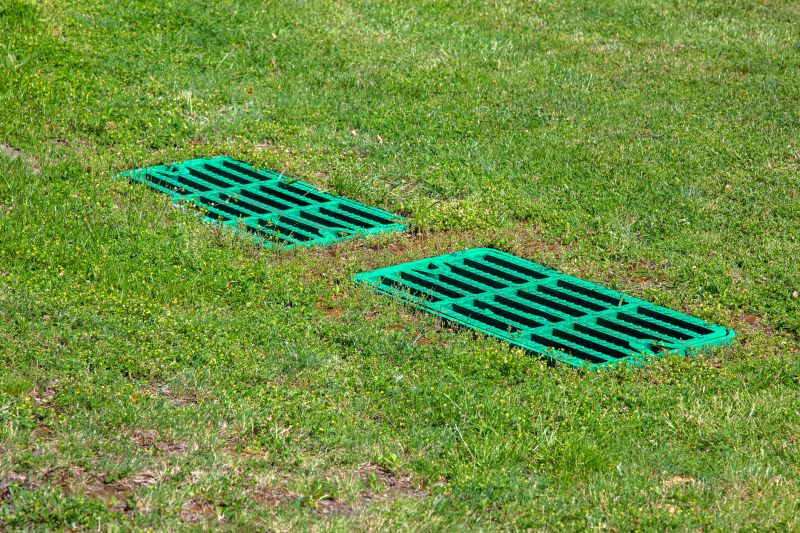 Creating an effective drainage system in your backyard is essential for maintaining a healthy and functional outdoor space. Proper drainage helps prevent water pooling, soil erosion, and damage to landscaping or structures. When selecting products for backyard drainage, it is important to consider the specific needs of your yard, including soil type, slope, and the volume of water that needs to be managed. A well-designed drainage setup can improve water flow, reduce standing water, and protect your property from water-related issues.
Top Overall Option
Flexible Perforated Drain Pipe System
A versatile perforated drain pipe system offers adaptable installation options for various yard configurations. It allows for efficient water collection and diversion, helping to prevent pooling and soil saturation. Its flexibility makes it suitable for both small and large drainage projects, providing a reliable solution for managing excess water in backyard landscapes.
Types of Products For Backyard Drainages
French Drains
Underground trenches filled with gravel and perforated pipe designed to redirect groundwater away from problem areas.
Channel Drains
Linear drains installed along driveways or patios to efficiently channel surface water to drainage outlets.
Catch Basins
Surface water collection units that capture runoff and connect to underground piping for diversion.
Perforated Drain Pipes
Flexible or rigid pipes with perforations that facilitate water flow into drainage systems.
Drainage Gravel
Specialized gravel used to fill French drains and improve water flow around perforated pipes.
Sump Pumps
Devices used to pump accumulated water from basements or low-lying areas to prevent flooding.
Water Diverter Barriers
Physical barriers designed to redirect runoff away from specific areas or structures.
Soil Stabilization Fabrics
Geotextile fabrics that reinforce soil and prevent erosion around drainage installations.
Yard Grading Tools
Tools and accessories to help regrade the landscape for optimal water runoff.
Rain Gardens
Designed planting beds that absorb and filter runoff, reducing water flow and enhancing landscape aesthetics.
Watering and Drainage Mats
Permeable mats that facilitate water infiltration and prevent surface pooling.
Downspout Extensions
Extensions that direct roof runoff away from foundations and toward drainage areas.
Drainage Socks
Flexible fabric tubes filled with gravel that aid in directing water flow and preventing erosion.
Subsurface Drainage Systems
Complete underground systems designed to manage large volumes of water beneath the surface.
Drainage Pumps
Portable pumps used to remove excess water from flooded areas or basements.
Popular Choices
Widely used for adaptable underground drainage solutions, suitable for various yard layouts.
Commonly installed along pathways and driveways to manage surface runoff effectively.
Popular for capturing surface water and connecting to underground piping systems.
Complete sets that simplify the installation of underground drainage solutions.
Trusted options for removing water from basements or low-lying areas prone to flooding.
Affordable and easy-to-install solutions for redirecting roof runoff away from foundations.
Portable and flexible options for quick drainage improvements around problem spots.
Effective for directing runoff and protecting specific landscape areas.
Popular for integrating functional and attractive water absorption features.
Permeable mats often used in patios and walkways to improve water infiltration.
Commonly used to reinforce disturbed soil and prevent erosion around drainage sites.
Essential for homeowners looking to reconfigure landscape slopes for better water flow.
Popular for underground drainage projects due to their flexibility and effectiveness.
Flexible solutions for directing water and preventing erosion in garden beds.
Effective for managing surface water in patios and walkways.
Drainage solutions vary widely, from simple surface drains to complex underground piping systems. Surface drains, such as catch basins and channel drains, are effective for directing water away from problem areas. Underground systems like perforated pipes and French drains are suitable for managing larger volumes of water and preventing saturation beneath the surface. Additionally, there are products designed for specific applications, such as yard grading tools, sump pumps, and water diversion barriers.
Proper installation and selection of the right drainage products can make a significant difference in how effectively your backyard handles excess water. Factors to consider include the landscape’s slope, soil permeability, and the proximity of structures. Investing in quality drainage products can help mitigate issues like soggy lawns, muddy patches, or basement flooding, ensuring your outdoor space remains accessible and enjoyable.
Overall, the key to successful backyard drainage lies in understanding the unique characteristics of your property and choosing the appropriate combination of products to address water flow challenges. Whether you’re dealing with minor drainage problems or large-scale water management, there are a variety of solutions available to suit different needs and budgets.
Key Buying Considerations
- Assess the volume of water needing drainage to select appropriately sized solutions.
- Determine the landscape slope to ensure proper water flow direction.
- Choose durable materials that withstand local weather conditions.
- Consider the soil type and permeability for effective drainage design.
- Evaluate the proximity of structures to avoid water damage or foundation issues.
- Decide between surface and underground drainage options based on problem severity.
- Ensure compatibility with existing landscape features and infrastructure.
- Look for ease of installation, especially if planning DIY projects.
- Check for maintenance requirements and accessibility of parts.
- Budget for both initial installation and long-term durability.
- Select products with suitable connections and fittings for seamless integration.
- Consider the aesthetic impact of visible drainage components.
- Review product warranties and manufacturer support for peace of mind.
- Plan for future expansion or modifications if landscape changes are anticipated.
- Prioritize safety features, such as slip-resistant grates or covers.